
Top Tax Credits and Incentives for Small Businesses
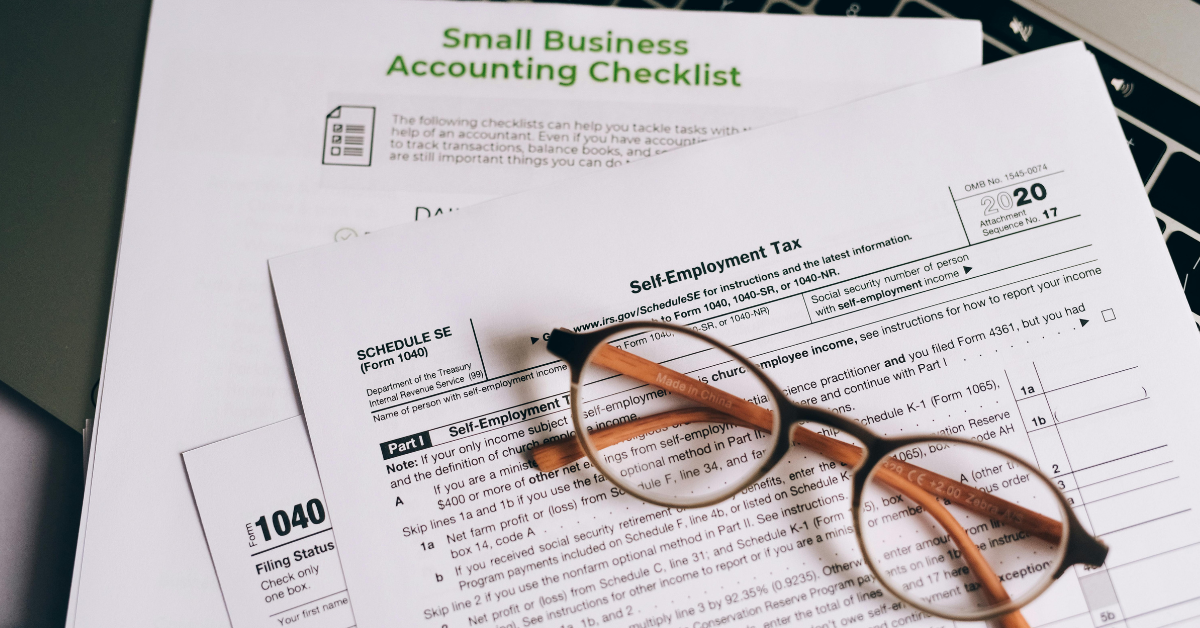
Small businesses often overpay taxes due to lack of awareness about available savings opportunities. Having a tax advisor or CPA can help ensure compliance with IRS regulations while identifying potential tax breaks. This article covers some common tax credits and incentives for small businesses.
Qualified Business Income (QBI) Deduction
The QBI deduction applies to pass-through entities where income flows through the business to the owner's personal return. It allows small business owners to deduct up to 20% of their qualified business income, up to $191,950 (individual) or $383,900 (joint) in 2024, on their personal return.
Section 179 Deduction
This deduction allows businesses to write off the full purchase price of qualifying property in the year it was purchased. Examples include machinery, equipment, computers, office furniture, and certain vehicles. It encourages businesses to invest in themselves while providing significant tax savings.
Bonus Depreciation
Bonus depreciation is a tax incentive allowing businesses to deduct a large portion (60% in 2024) of qualified property costs in the first year of service. Eligible property includes tangible property with a recovery period of 20 years or less, certain computer software, and water utility property.
Research and Development (R&D) Tax Credit
Created to incentivize U.S.-based R&D activities, this credit is available to organizations developing or improving products, processes, software, techniques, formulas, or inventions. To claim the credit, file Form 6765 with the IRS, identify qualifying expenses, and provide supporting documentation.
Work Opportunity Tax Credit (WOTC)
The WOTC is a federal tax credit for employers hiring individuals from certain targeted groups facing employment barriers. The credit is calculated as 25% of qualified first-year wages for employees working at least 120 hours and 40% for those working 400+ hours.
Energy-Efficient Tax Incentives
Businesses can receive tax credits for implementing energy-efficient improvements. Examples include up to $5 per square foot for energy-efficient commercial buildings, up to $7,500 for new electric vehicles under 14,000 pounds, and up to 30% (max $100,000) for installing vehicle charging stations.
Augusta Rule
This tax provision allows homeowners to rent out their primary residence for up to 14 days per year without reporting rental income on their personal return. Business owners can leverage this strategy by renting their personal residence for business meetings, providing a deduction for the business while generating tax-free rental income.
By leveraging these tax credits and incentives, small businesses can reduce their tax liability and strengthen cash flow. Remember that tax laws and incentives can change, so stay informed about current regulations and seek professional assistance to ensure compliance.